

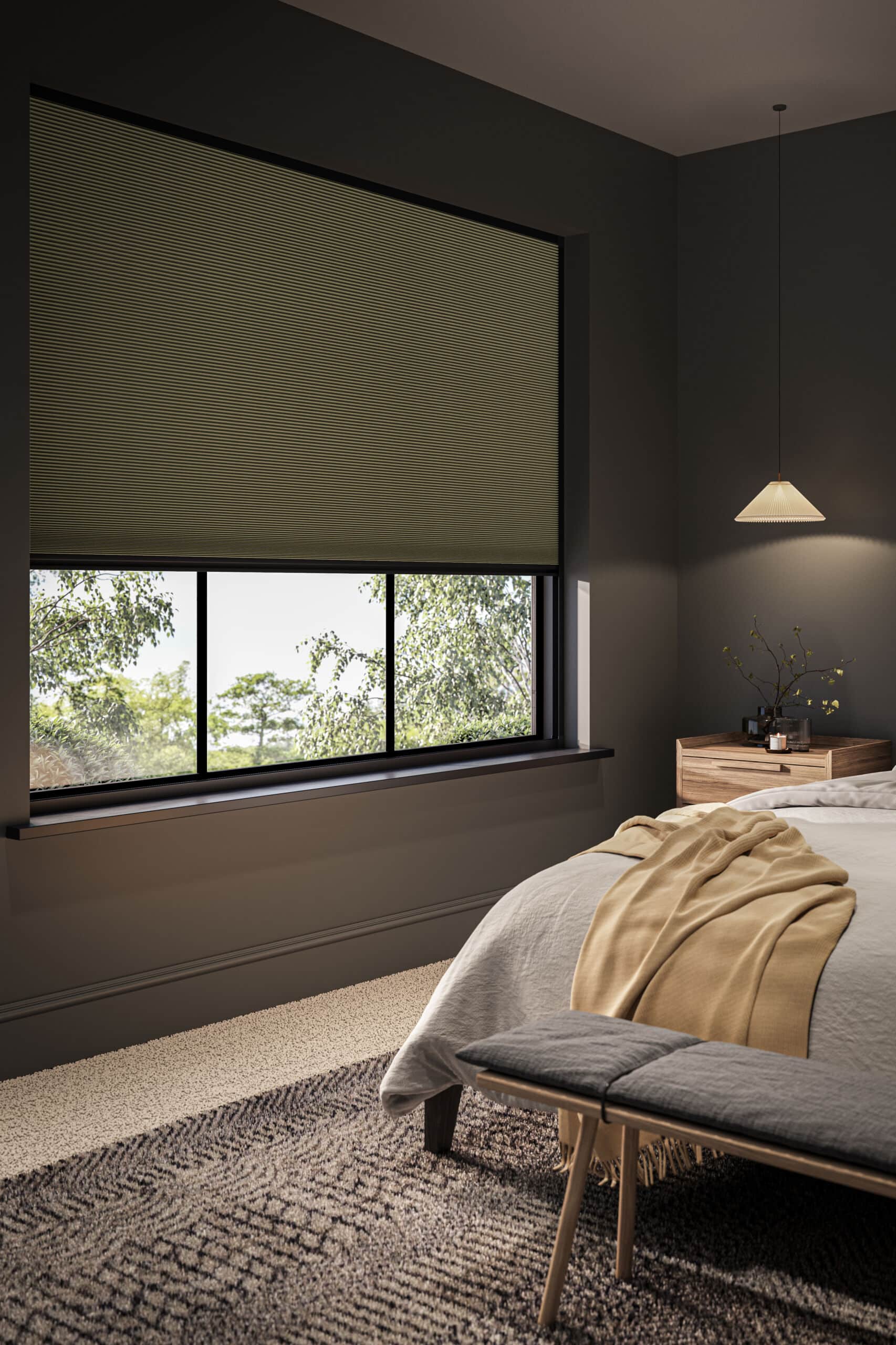
Blackout Shades Gulf Coast Bedrooms | Sleep Better in 2026
Your Ocean Springs bedroom hits 78 degrees before you even open your eyes. The sun blasted through your windows at 5:47 AM, and that familiar film of condensation is already forming on the glass. This is the Gulf Coast sleep problem that standard curtains simply cannot solve—and it is costing you both rest and money on your Mississippi Power bill every single month.
Along the Mississippi Gulf Coast from Bay St. Louis to Pascagoula, homeowners face a unique triple threat: intense summer heat that pushes bedroom temperatures into uncomfortable territory, humidity levels averaging 75% that cause moisture buildup on windows, and early sunrises that rob you of precious sleep hours. The solution is not just any window covering—it is blackout shades engineered specifically for Gulf Coast bedrooms.
Why Standard Window Treatments Fail on the Gulf Coast
Walk through any home in Pass Christian or Long Beach and you will find the evidence: warped wooden blinds, mildewed fabric curtains, and aluminum mini-blinds corroded by salt air. The Gulf Coast environment destroys ordinary window treatments within two to three years, turning your investment into a recurring expense.
The Humidity Problem Nobody Talks About
When your air conditioner runs constantly to combat 95-degree summer days, the temperature difference between your cooled interior and the hot glass creates condensation. Standard fabric drapes trap this moisture against the window, creating a breeding ground for mold. According to the Environmental Protection Agency, indoor humidity above 60% significantly increases mold growth risk, and Gulf Coast homes regularly exceed this threshold during summer months (Source: U.S. Environmental Protection Agency Indoor Air Quality Guide, 2023).
Humidity-resistant blackout blinds feature moisture-barrier backing and antimicrobial treatments that prevent this cycle. Unlike the bedroom window treatments Gulfport homeowners typically find at big-box stores, professional-grade blackout shades use PVC-free vinyl or treated polyester that resists moisture absorption.
Heat Gain Through Bedroom Windows
The Department of Energy reports that approximately 76% of sunlight hitting standard windows enters as heat, and south-facing windows can add up to 2,000 BTUs per hour to your cooling load (Source: U.S. Department of Energy Window Technologies Report, 2022). In a typical Gulfport ranch-style home with three bedroom windows, that translates to your Entergy or Mississippi Power bill climbing $45 to $85 monthly during peak summer.
Room darkening shades Biloxi homeowners install with white or reflective backing can reduce this solar heat gain by up to 33% compared to unshaded windows (Source: ENERGY STAR Window Attachments Fact Sheet, 2023). Your air conditioner runs less, your bedroom stays cooler, and you wake up without that sticky, overheated feeling.
Choosing Blackout Shades for Gulf Coast Architecture
Gulf Coast homes present specific installation challenges that determine which blackout shade systems perform best. The dominant architectural styles—ranch-style homes in Henderson Point, coastal cottages near the Biloxi Lighthouse, and waterfront condos overlooking Gulf Islands National Seashore—each require different mounting approaches.
Ranch-Style Homes: Wide Windows, Low Ceilings
The classic Gulf Coast ranch features horizontal window configurations, often three or four windows spanning an entire bedroom wall. These wide openings require either individual shades with light-blocking side channels or continuous roller systems that span the full width.
- Inside mount: Cleaner appearance, requires minimum 2.5-inch window depth
- Outside mount: Better light blocking, ideal for shallow window frames common in 1960s-era ranch homes
- Side channels: Aluminum tracks that eliminate light gaps along edges—essential for true blackout performance
Coastal Cottages: Character-Appropriate Solutions
Older cottages in Bay St. Louis and Ocean Springs often feature non-standard window sizes and historic trim details homeowners want to preserve. Fabric roller shades in neutral coastal tones maintain the hometown character while delivering modern light-blocking performance. The National Association of Home Builders notes that window treatments matching architectural period increase perceived home value by 3% to 5% among coastal property buyers (Source: NAHB Remodeling Market Index, 2023).
Waterfront Condos: Large Glass, Maximum Exposure
High-rise and mid-rise condos along the Biloxi beachfront feature floor-to-ceiling windows designed for views—not for sleeping. These large glass expanses require motorized blackout shade systems capable of handling widths up to 144 inches. Battery-powered motors eliminate the need for electrical work, a critical consideration in condo associations with strict renovation rules.
| Home Style | Recommended Blackout System | Key Feature | Price Range Per Window |
|---|---|---|---|
| Ranch-style | Roller with side channels | Total light elimination | $175-$350 |
| Coastal cottage | Fabric cellular blackout | Period-appropriate aesthetics | $200-$400 |
| Waterfront condo | Motorized roller system | Large-span capability | $350-$650 |
Installation Considerations for Gulf Coast Conditions
Proper installation determines whether your blackout shades perform as promised or leave frustrating light gaps that defeat the entire purpose. Gulf Coast-specific factors affect every stage of the process.
Measuring for Humidity Expansion
Wood window frames along the Gulf Coast expand and contract with humidity changes. A window measuring 36 inches in January may measure 36.5 inches in August. Professional installers account for this seasonal variation by measuring during multiple humidity conditions or using adjustable mounting brackets that accommodate movement without binding.
Mounting Hardware for Coastal Air
Standard zinc-plated screws corrode within 18 months in Gulf Coast salt air. Homes within five miles of the water—essentially everything from Long Beach to Ocean Springs—require stainless steel mounting hardware. This small upgrade adds perhaps $15 to your installation cost but prevents the shade from literally falling off your wall.
Why Gulf Coast Homeowners Trust Professional Installation: Our certified installers complete an average of 47 bedroom window installations monthly across Harrison and Hancock counties. Every installation includes stainless steel hardware, humidity-adjusted measurements, and a five-year warranty covering both materials and labor. We have served the Gulf Coast community since 2009 with over 3,200 documented installations from Bay St. Louis to Pascagoula.
Electrical Considerations for Motorized Systems
Motorized blackout shades can integrate with your existing smart home system or operate independently via remote control. Hardwired motors require a licensed electrician, adding $150 to $300 per window for electrical rough-in. Battery-powered alternatives—now featuring rechargeable lithium-ion cells lasting 12 to 18 months between charges—offer the same convenience without construction work.
Energy Savings and Sleep Quality Results
The investment in quality blackout shades pays returns in two currencies: lower utility bills and better sleep. Both matter to Gulf Coast families managing tight budgets and demanding work schedules.
Documented Energy Reduction
The Lawrence Berkeley National Laboratory found that interior shading systems reduce cooling energy consumption by 4% to 8% in hot-humid climates like the Gulf Coast (Source: Lawrence Berkeley National Laboratory Windows and Daylighting Research, 2021). For a household with a $180 average summer Mississippi Power bill, that translates to $7 to $14 monthly savings—$84 to $168 annually from bedroom windows alone.
When you factor in reduced HVAC wear from shorter run cycles, the financial case strengthens further. The American Council for an Energy-Efficient Economy estimates that every 1% reduction in cooling load extends air conditioner lifespan by approximately 0.5% (Source: ACEEE Residential HVAC Efficiency Report, 2022).
Sleep Quality Improvements
The National Sleep Foundation reports that sleeping in a fully darkened room increases total sleep time by an average of 27 minutes per night compared to rooms with light intrusion (Source: National Sleep Foundation Sleep in America Poll, 2023). Over a month, that adds up to more than 13 hours of recovered sleep—the equivalent of nearly two full nights.
For Gulf Coast shift workers, first responders, and healthcare professionals who need daytime sleep, blackout shades are not a luxury but a health necessity. Complete darkness triggers melatonin production regardless of the time on the clock, enabling restorative sleep cycles even when summer sunshine blazes outside.
- 99.9% light blocking with proper side channels installed
- Sound dampening of up to 5 decibels—noticeable reduction in traffic and outdoor noise
- Temperature reduction of 8 to 12 degrees at window surface
- UV protection preventing furniture and carpet fading
Getting Started: Your Free In-Home Consultation
Every Gulf Coast bedroom is different. Window orientation, existing window depth, humidity patterns, and your specific sleep challenges all influence the ideal blackout shade solution for your home. A generic online measurement guide cannot account for the 30-year-old window frames in your Pass Christian cottage or the hurricane-rated glass in your Biloxi beachfront condo.
Schedule your free in-home blackout shade consultation today. Our local specialists serve Ocean Springs, Gulfport, Long Beach, Bay St. Louis, and surrounding Gulf Coast communities six days a week. During your consultation, we measure every window with humidity-adjusted precision, demonstrate material samples so you can feel the quality difference, and provide a complete written quote with no hidden fees.
You deserve to sleep through the night without waking in a pool of sweat at 5:30 AM. You deserve bedroom windows that work with your Mississippi Power efficiency goals rather than against them. Get your free quote today and discover why hundreds of Gulf Coast homeowners have chosen professional blackout shades as the solution to their coastal climate sleep challenges.
Frequently Asked Questions
How long do blackout shades last in Gulf Coast humidity?
Quality humidity-resistant blackout shades installed on the Gulf Coast typically last 8 to 12 years with proper care. The key factors are material selection—PVC-free vinyl and treated polyester outperform standard fabrics—and installation with stainless steel hardware that resists salt air corrosion. Homeowners who clean their shades quarterly with a damp microfiber cloth and inspect mounting brackets annually can expect performance at the upper end of this range.
Can blackout shades reduce my Mississippi Power bill enough to justify the cost?
For a typical Gulf Coast home with three to four bedroom windows, professional blackout shades with reflective backing generate $84 to $168 in annual cooling savings based on Lawrence Berkeley National Laboratory research. At an average installed cost of $250 per window, the payback period ranges from 4.5 to 7 years—after which the savings continue for the remaining lifespan of the shades. Factor in prevented furniture fading and extended HVAC life, and the financial case becomes even stronger.
What is the difference between room darkening and true blackout shades?
Room darkening shades block approximately 95% to 99% of incoming light, which may still allow a visible glow around edges during bright Gulf Coast summer mornings. True blackout systems achieve 99.9% or greater light blocking through a combination of opaque materials and side channel installation that eliminates edge gaps. For shift workers requiring daytime sleep or bedrooms facing east toward the sunrise over Gulf Islands National Seashore, only true blackout systems with side channels deliver complete darkness.
Do motorized blackout shades work during Gulf Coast power outages?
Battery-powered motorized shades continue operating during power outages since they do not rely on household electrical systems. Rechargeable lithium-ion motors hold enough charge for 300 to 500 cycles between charges, meaning months of daily use without grid power. Hardwired motorized systems will not function during outages unless connected to a backup battery system, which adds approximately $200 to $400 per installation but provides peace of mind during hurricane season.


