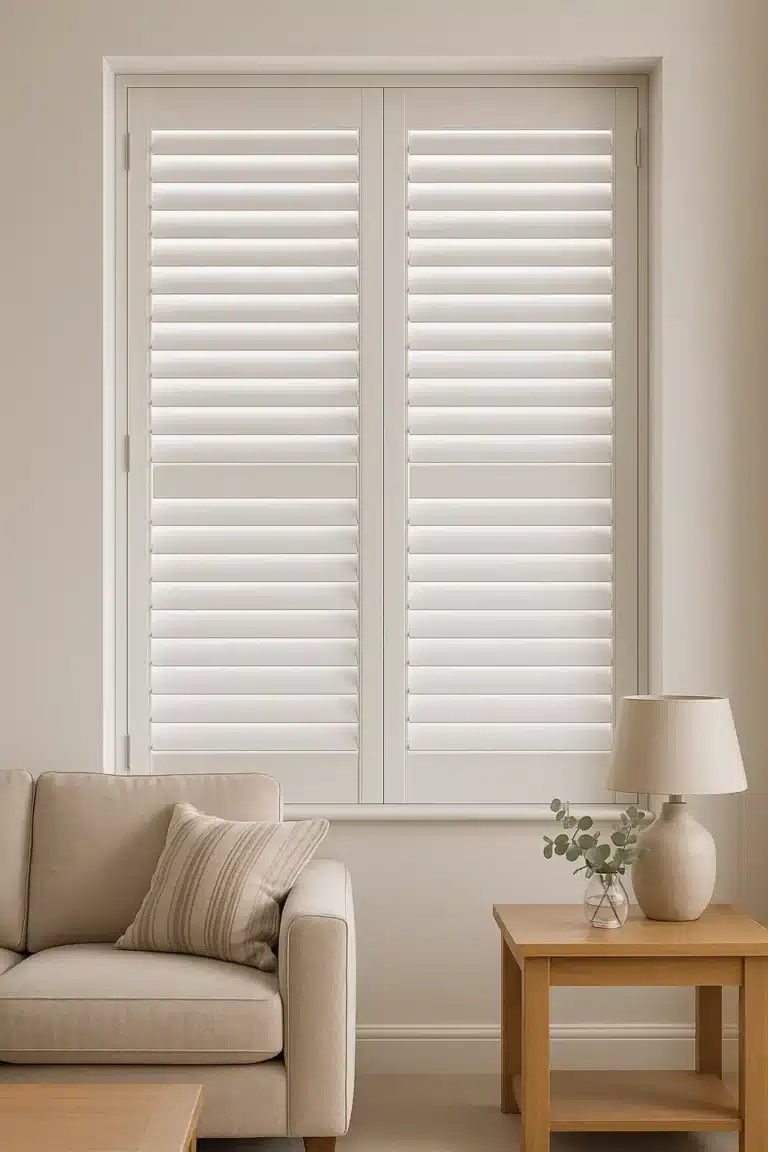


Plantation Shutters Gulf Coast Homes | Historic Restoration
Plantation Shutters Gulf Coast Homes | Historic Restoration
Salt air and humidity destroy ordinary shutters within years. Discover why Mississippi Gulf Coast historic homes demand coastal-grade plantation shutters built for Antebellum and Creole Cottage architecture.
Every summer, Mississippi Gulf Coast homeowners watch inferior shutters warp, crack, and peel under the relentless assault of 80% humidity and salt-laden winds blowing off the Gulf of Mexico. If you own a historic property in the Ocean Springs Historic District or Biloxi Old Town, you already know this frustration—and you know that replacement shutters from big-box stores simply cannot survive your coastal climate or match the architectural integrity your home deserves.
This guide delivers exactly what restoration-focused homeowners need: plantation shutters for the Mississippi Gulf Coast that honor Antebellum and Creole Cottage proportions while resisting the corrosive environment that destroys lesser materials in as few as 3-5 years.
Why Standard Shutters Fail on the Mississippi Gulf Coast
Your historic home faces environmental challenges that inland properties never encounter. Understanding these threats helps you make smarter shutter investments that protect both your budget and your home’s heritage value.
Salt Air Corrosion and Material Breakdown
Homes within 1,500 feet of the Gulf shoreline experience salt deposition rates up to 10 times higher than properties just one mile inland (Source: Federal Emergency Management Agency Coastal Construction Manual, 2021). This salt penetrates untreated wood fibers, accelerating rot and causing paint adhesion failure. Standard pine shutters from national retailers lack the marine-grade sealants required for Biloxi’s coastal exposure, typically showing visible degradation within 36 months.
Humidity-Driven Expansion and Warping
The Mississippi Gulf Coast averages 74% relative humidity annually, with summer months regularly exceeding 85% (Source: National Oceanic and Atmospheric Administration, 2023). Wood shutters without proper kiln-drying and stabilization treatments absorb this moisture, causing louvers to stick, frames to bow, and hardware to bind. Your tall Antebellum windows—often measuring 9 to 12 feet—magnify these problems because longer shutter panels experience greater dimensional stress.
Hurricane and Storm Vulnerability
Since 2005, the Mississippi Gulf Coast has experienced 7 hurricanes or tropical storms with sustained winds exceeding 74 mph (Source: National Hurricane Center Historical Records, 2024). Decorative shutters installed without proper anchoring become dangerous projectiles. Authentic functional plantation shutters, by contrast, protect your historic windows while meeting wind-load requirements when properly mounted.
Matching Shutters to Mississippi Gulf Coast Architecture
The Beauvoir Jefferson Davis Home and the Old Biloxi Lighthouse exemplify the architectural standards that define our region’s historic character. Your restoration project deserves the same attention to period-correct proportions and details.
Antebellum Proportions and Louver Sizing
Pre-Civil War homes along the Mississippi Gulf Coast typically feature windows 2.5 to 3 times taller than they are wide. Authentic plantation shutters for these openings require:
- 3.5-inch louvers for windows under 48 inches wide
- 4.5-inch louvers for grand parlor windows exceeding 48 inches
- Full-height panels without mid-rails for windows under 72 inches
- Divider rails positioned at the meeting rail height for double-hung windows over 72 inches
These proportions maintain the visual weight that Antebellum architects intended while providing functional light control for your wide verandas.
Creole Cottage Shutter Specifications
Ocean Springs Historic District contains numerous Creole Cottages with their characteristic steeply pitched roofs and gallery porches. These homes demand shutters with specific characteristics:
- Board-and-batten designs for secondary elevations
- Louvered panels for primary facades
- Strap hinges with pintles rather than butt hinges
- Tilt rods positioned off-center per French Colonial tradition
Mass-produced shutters ignore these details, creating visual discord that diminishes your home’s historic value and curb appeal.
Comparing Shutter Styles for Historic Coastal Homes
| Feature | Big-Box Standard | Coastal-Grade Heritage |
|---|---|---|
| Wood Species | Pine or MDF composite | Western Red Cedar or Basswood |
| Finish System | Single primer + paint | Marine epoxy sealer + 3-coat system |
| Expected Lifespan | 3-5 years coastal | 20-30 years with maintenance |
| Louver Options | 2.5 inch or 3.5 inch | 2.5 to 4.5 inch custom |
| Hardware Grade | Zinc-plated steel | Stainless steel or brass |
| Wind Rating | Decorative only | Up to 150 mph when functional |
Coastal-Grade Materials That Survive Gulf Conditions
Selecting proper materials determines whether your investment lasts 5 years or 25 years. The Mississippi Gulf Coast environment demands specific wood species and finish systems.
Wood Species Performance Comparison
Not all wood performs equally in high-humidity, salt-air environments. Based on the U.S. Forest Products Laboratory durability classifications (Source: USDA Forest Products Laboratory Wood Handbook, 2021), these species rank as follows for coastal shutter applications:
- Western Red Cedar — Natural decay resistance rated “resistant to very resistant”; optimal for exterior applications within 500 feet of shoreline
- Basswood — Excellent dimensional stability; ideal for interior plantation shutters where humidity fluctuations stress lesser woods
- White Oak — Highest decay resistance among hardwoods; period-correct for museum-quality Antebellum restorations
- Poplar — Acceptable with marine-grade finishes; budget option for homes beyond 1 mile from shore
Pine, the default choice at most retailers, ranks “slightly resistant to nonresistant” and requires extensive chemical treatment to survive even moderate coastal exposure.
Marine-Grade Finish Systems
Your shutters need more than standard exterior paint. A proper coastal finish system includes:
- Penetrating epoxy sealer applied to raw wood before priming
- Marine-grade primer with anti-fungal additives
- Two topcoats minimum of UV-resistant acrylic or alkyd enamel
- Edge sealing on all louver ends and panel edges
This system costs 40-60% more than standard finishing but extends service life by 300-400% in Mississippi Gulf Coast conditions.
Energy Efficiency and Mississippi Power Savings
Your historic home likely predates modern insulation standards, making window treatments critical for managing Mississippi Power bills during our brutal summer months.
Documented Energy Performance
The U.S. Department of Energy reports that properly fitted interior shutters reduce solar heat gain by 45-50% when louvers are closed (Source: U.S. Department of Energy Energy Saver Guide, 2023). For a typical 2,400 square foot Antebellum home with 15 large windows, this translates to potential cooling savings of $380-520 annually at current Mississippi Power residential rates.
“Plantation shutters provide superior insulating value compared to curtains or blinds because the air pocket between the shutter panel and window glass creates a thermal buffer zone that reduces both conductive and radiant heat transfer.”
— Building Science Corporation Technical Report on Window Attachments, 2022
Historic Tax Credit Considerations
If your Mississippi Gulf Coast property qualifies for the Federal Historic Preservation Tax Incentive, replacement shutters may contribute to your qualified rehabilitation expenditures. The program provides a 20% tax credit for certified rehabilitation of historic structures (Source: National Park Service Technical Preservation Services, 2024). Using historically appropriate plantation shutters—rather than vinyl or aluminum substitutes—helps maintain your property’s contributing status within the Ocean Springs Historic District or Biloxi Old Town.
Professional Installation Requirements
Proper installation determines whether your shutters function correctly and survive coastal storms. This work requires specific expertise that general contractors often lack.
Mounting Systems for Historic Masonry
Many Mississippi Gulf Coast historic homes feature soft brick that crumbles under standard expansion anchors. Professional installation requires:
- Mortar-joint mounting using stainless steel pins
- Through-wall bolting for functional storm shutters
- Hidden fastener systems that preserve exterior aesthetics
- Shim spacing that accommodates building settlement without binding
Weatherstripping and Seal Integration
Achieving the energy performance documented above requires precise fit and proper sealing. Factory-measured shutters typically provide tighter tolerances than field-measured alternatives, reducing air infiltration around panel edges.
Schedule your free historic home shutter consultation and receive a custom preservation estimate that addresses your specific architectural style, coastal exposure level, and energy efficiency goals.
Maintaining Your Investment
Proper maintenance extends shutter life dramatically. The following annual routine requires minimal time but delivers significant protection:
- January inspection — Check hardware function and tighten loose screws before spring humidity increases
- April cleaning — Rinse with fresh water to remove winter salt accumulation
- July touch-up — Address any paint chips before hurricane season
- October lubrication — Apply marine-grade lubricant to all hinges and pivot points
Following this schedule, properly finished plantation shutters on your Mississippi Gulf Coast historic home should require complete refinishing only every 8-12 years.
Your historic home represents both a significant investment and a connection to Mississippi Gulf Coast heritage. Protect that investment with plantation shutters engineered for your specific climate challenges and architectural requirements. Contact us today to schedule your free consultation and receive a detailed preservation estimate tailored to your property.
Frequently Asked Questions
How long do plantation shutters last in Mississippi Gulf Coast salt air conditions?
With coastal-grade materials and marine finish systems, plantation shutters typically last 20-30 years on the Mississippi Gulf Coast before requiring complete refinishing. Standard pine shutters from national retailers often show visible deterioration within 3-5 years due to salt penetration and humidity-driven warping. The critical factors are wood species selection, penetrating epoxy sealers applied before priming, and stainless steel hardware that resists corrosion.
Can I get historic tax credits for replacing shutters on my Ocean Springs or Biloxi historic home?
Replacement shutters may qualify as part of a certified rehabilitation project under the Federal Historic Preservation Tax Incentive, which provides a 20% credit for approved expenditures on income-producing historic properties. For the credit to apply, your shutters must match the historic character of the building—vinyl or aluminum substitutes typically disqualify the project. Consult with the Mississippi Department of Archives and History before beginning work to confirm your property’s eligibility and documentation requirements.
What louver size is historically correct for Antebellum homes on the Mississippi Gulf Coast?
Antebellum homes traditionally used 3.5-inch louvers for standard windows and 4.5-inch louvers for grand parlor windows exceeding 48 inches in width. These proportions maintain visual balance with the tall, narrow window openings characteristic of pre-Civil War Gulf Coast architecture. Modern 2.5-inch louvers, while popular in contemporary homes, appear undersized and create an inauthentic appearance on historic properties with windows measuring 9 to 12 feet in height.
Do functional plantation shutters provide hurricane protection for historic Gulf Coast homes?
Functional plantation shutters with proper mounting systems can provide meaningful storm protection when rated and installed for wind resistance up to 150 mph. However, they must be secured with through-wall bolting or stainless steel pintle hinges anchored into structural framing—not simply screwed into soft historic brick. Decorative-only shutters become dangerous projectiles in hurricane conditions and offer no protective value for your historic windows.